BAK under Attack

Mere days after the conclusion of its incredible project with Marwa Arsanios, usufructuaries of earth, BAK in Utrecht was informed that the municipality is withdrawing its funding – which accounts for almost 50% of the budget. If this decision is not reversed, it will likely be the end for this vital infrastructure, at a moment when critical spaces in art and academia are increasingly rare and ever more precarious. BAK has released a statement in response to this callous death sentence, and gathered many solidarity statements. One of the most striking remarks comes from Nicoline van Harskamp: “After more than 2 decades, all ways of practice and thought lead back to BAK in some way.” At any given moment, there are at best a handful of institutions that actually matter, that produce projects that escape and counter the relentless glut of craven trendiness and clueless genericness that is the staple of art spaces and art magazines. BAK has been one of those few spaces in Europe. At this rate, with supposedly progressive city councils doing the far right’s work for them, there won’t be anything left.

Rest in Peace, Marina

It’s hard to comprehend, and even more difficult to accept, that we will have to make do without Marina Vishmidt’s gleeful intelligence and puckish sweetness. This moment was expected, but that does not make it any easier to process.
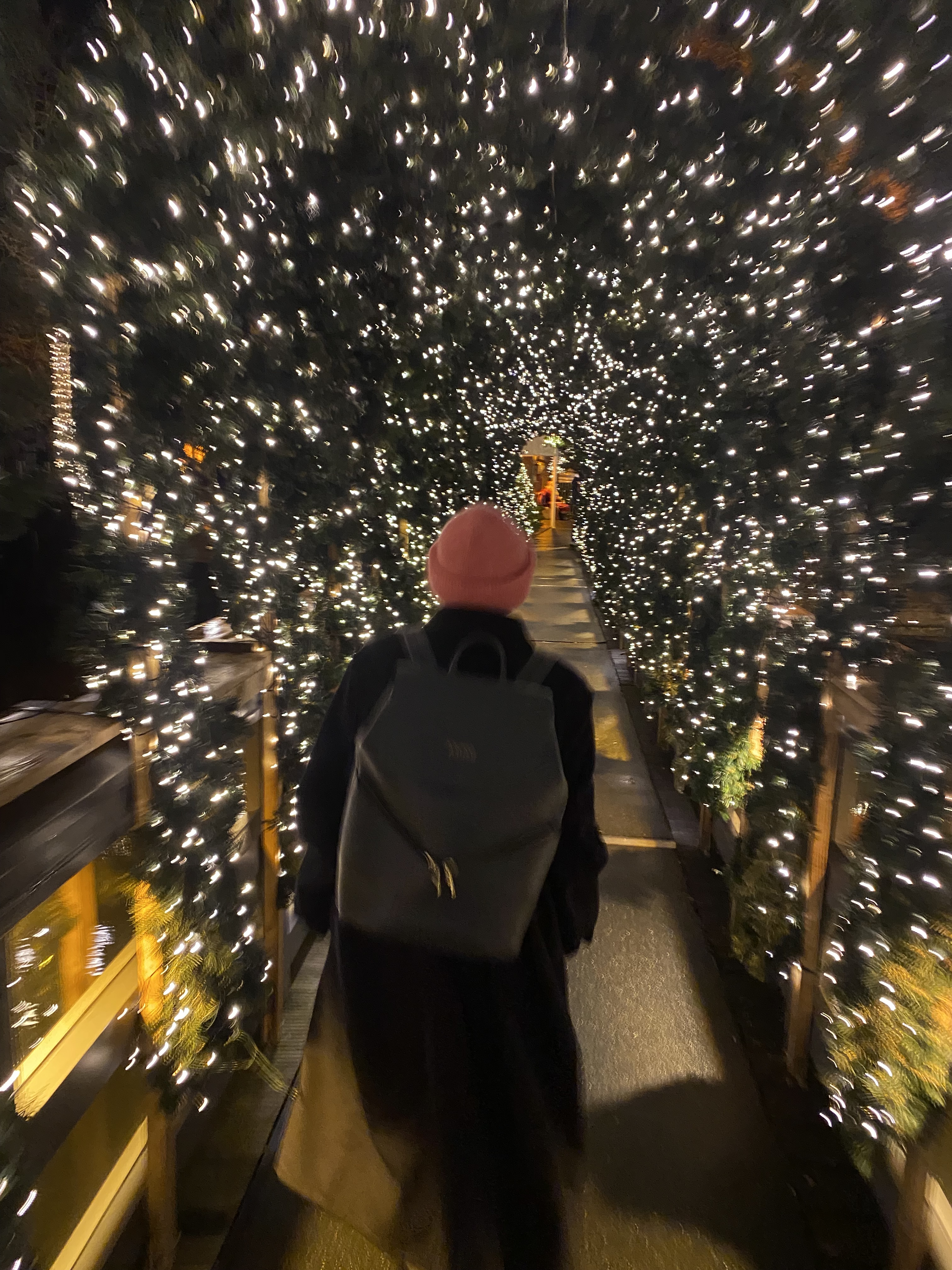
Unable to gather my thoughts, I’m posting a picture of Marina under the heaventree of stars (i.e. some Christmas lights) in Lüneburg, November 2023.

Coming Abstractions

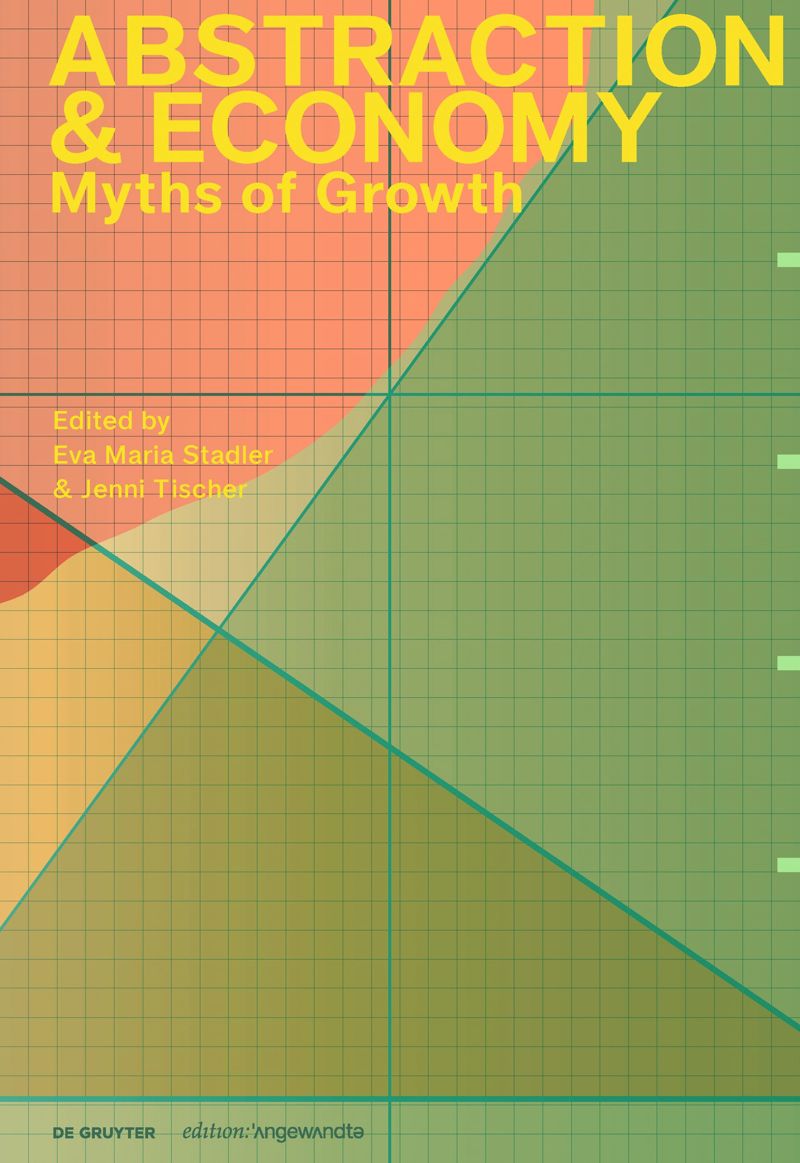
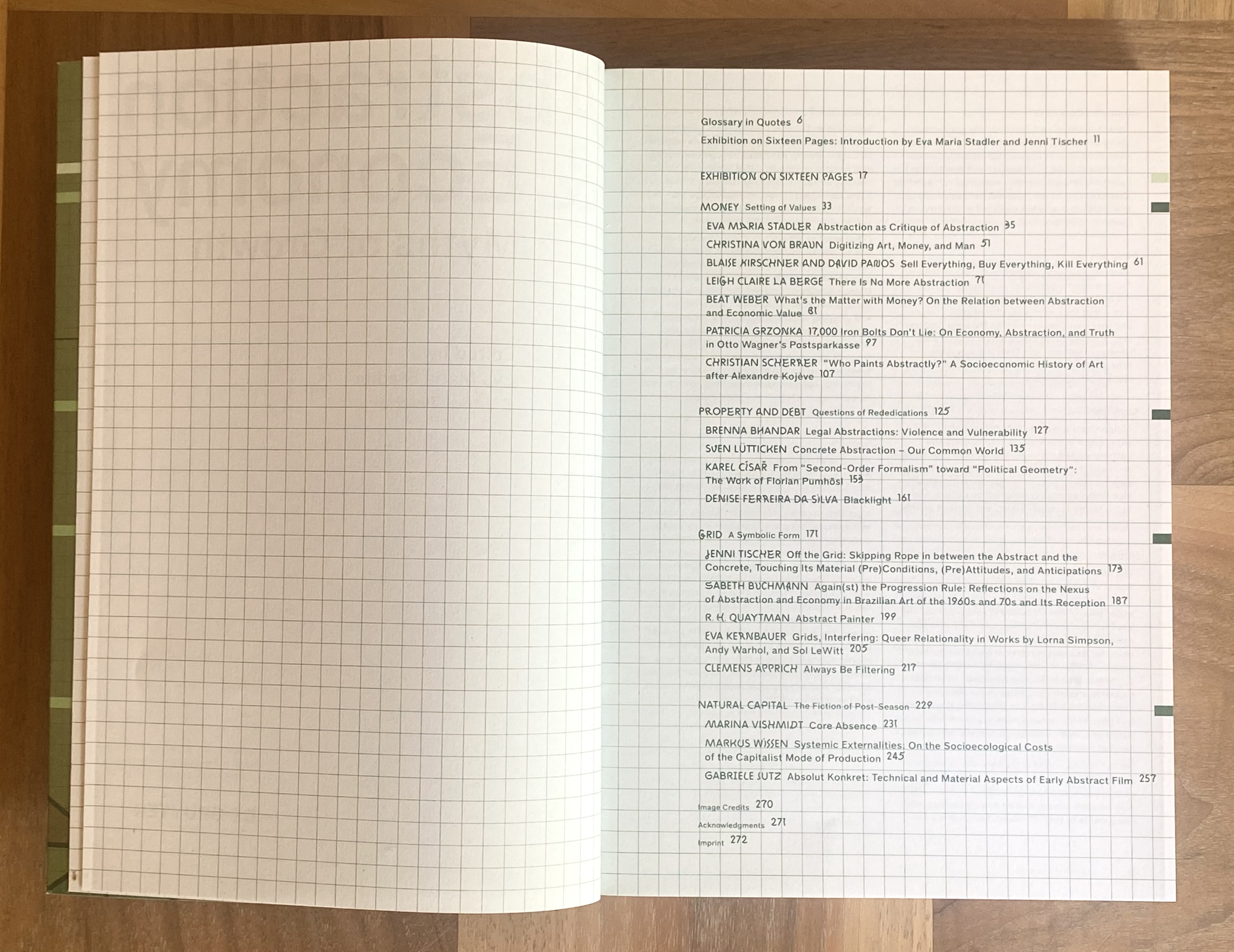
Another new Viennese volume is Eva Maria Stadler and Jenni Tischer’s Abstraction & Economy: Myths of Growth, which comes out of an online lecture series and a symposium organized by Eva Maria and Jenni at the Angewandte (for which Falke Pisano made poster designs). In some ways, this could be seen as a sequel to Gean Moreno’s In the Mind but Not from There: Real Abstraction and Contemporary Art—and indeed my own contribution is a tweaked and updated version of my essay in that volume, “Concrete Abstraction—Our Common World.”

Meanwhile, I will try to make time (easier said than organized) for my ongoing work on abstraction. I have cancelled an upcoming lecture in Berlin because I really do not see how I could speak in Germany right now, but I will try to use talks and articles to continue developing what should at some point become the second volume of Forms of Abstraction. In addition to Jaleh Mansoor’s review of the first volume (Objections) in De Witte Raaf (in Dutch), I was happy to see a brief but illuminating discussion by Tobias Dias in a Danish-language article on Georges Didi-Huberman and form. With the collapse (intellectually and politically, and sometimes organizationally or financially) of so many magazines and journals, this is already quite something.

History Tales/Alexander Kluge

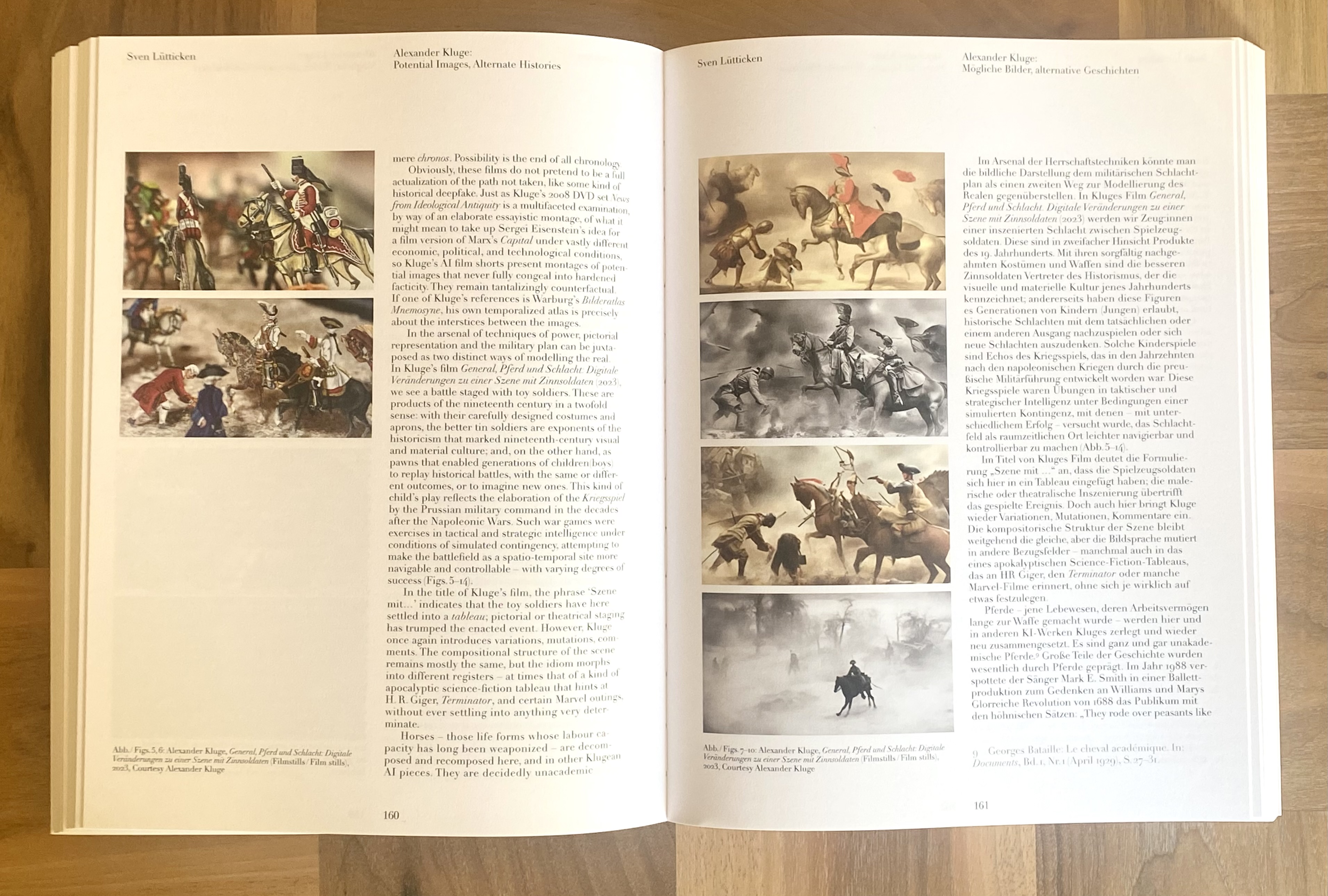
Sabine Folie’s exhibition History Tales: Fact and Fiction in History Painting at de Akademie der bildenden Künste in Vienna places works by contemporary artists and a variety of loans in a critical dialogue with paintings, prints, plaster casts and various documents from the academy’s collection. Alexander Kluge contributed a number of his recent short films produced with the AI image generator Stable Diffusion. For the catalogue, I wrote a short text on these pieces titled “Alexander Kluge: Alternate Histories, Potential Images.”

Top image: an Installation view with Kluge’s film Digitale Kommentare zu dem Bild Triumphaler Einzug von Henri IV in Paris von Peter Paul Rubens.

Objections: The Late Launch

My book Objections is slowly finding its way in the world… Recently, a substantial and thoughtful review by Jaleh Mansoor was published in De Witte Raaf—in a Dutch translation by Christophe Van Gerrewey, but in case Dutch is all Greek to you, you could always get some helpful AI entity to (re)translate it for you.

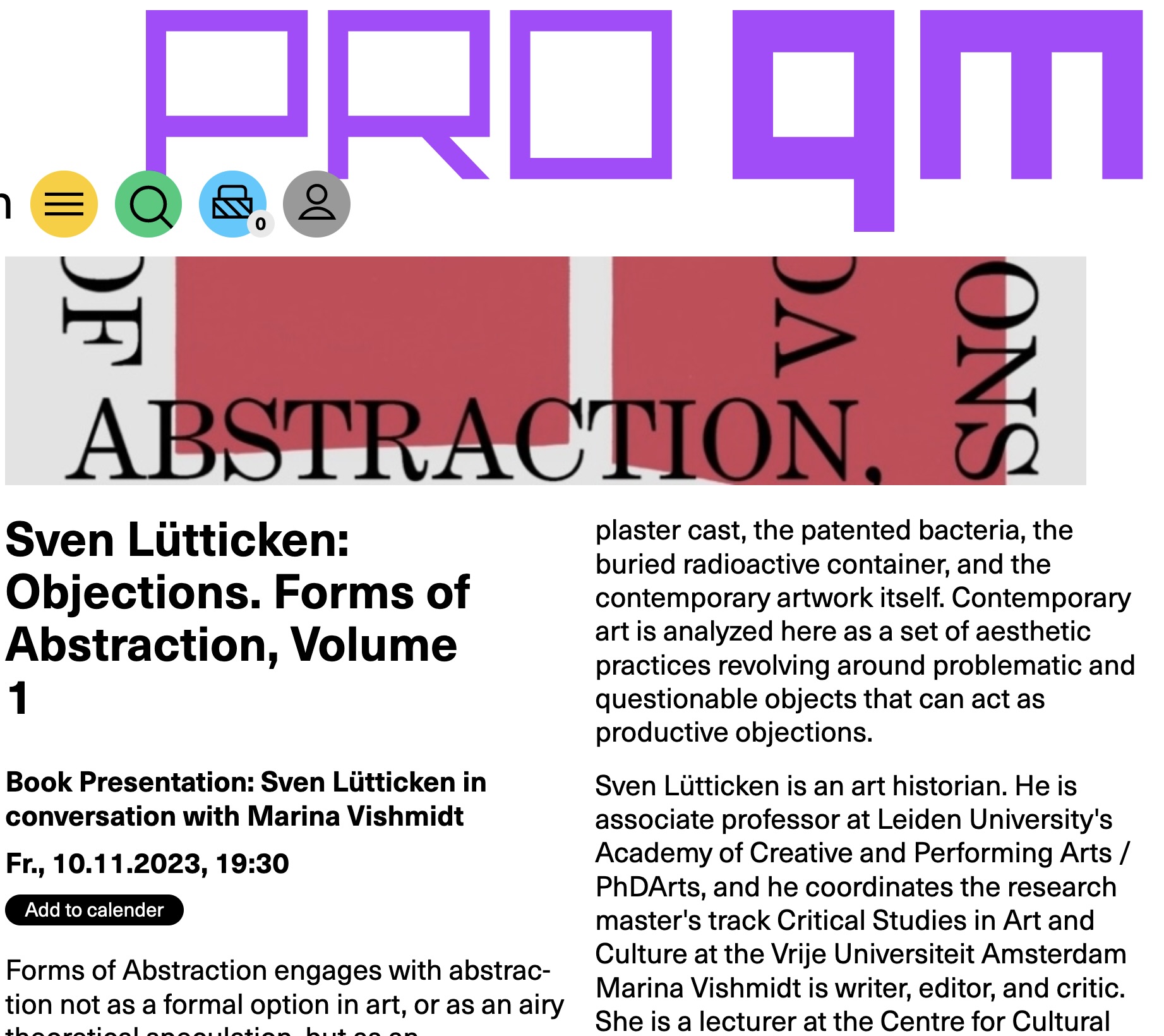
Belatedly, I’m doing a couple of book launches in the coming months: on November 10 (19:30) at pro qm in Berlin, and on December 7 (18:00) at the Rijksakademie in Amsterdam. As ever, I try to make these events dia- rather than monological. I will be in conversation with Marina Vishmidt at pro qm; participant(s) the the Rijks will be announced soon.

From the Archive: Stanley Brouwn

In light of the Stanley Brouwn cottage industry that has sprung up in the US, I thought I’d post a scan of my 2018 review of two modest Dutch Brouwn exhibitions, which is buried in an old issue of Texte zur Kunst. Apart from an annoying autocorrect mishap/editorial oversight that turned a French Enlightenment philosopher into an airplane (Concordet became Concorde), I’m still quite happy with this short reflection on Brouwn’s practice—and on the challenges it poses for the critic or art historian.

Levantinism, Against All Odds

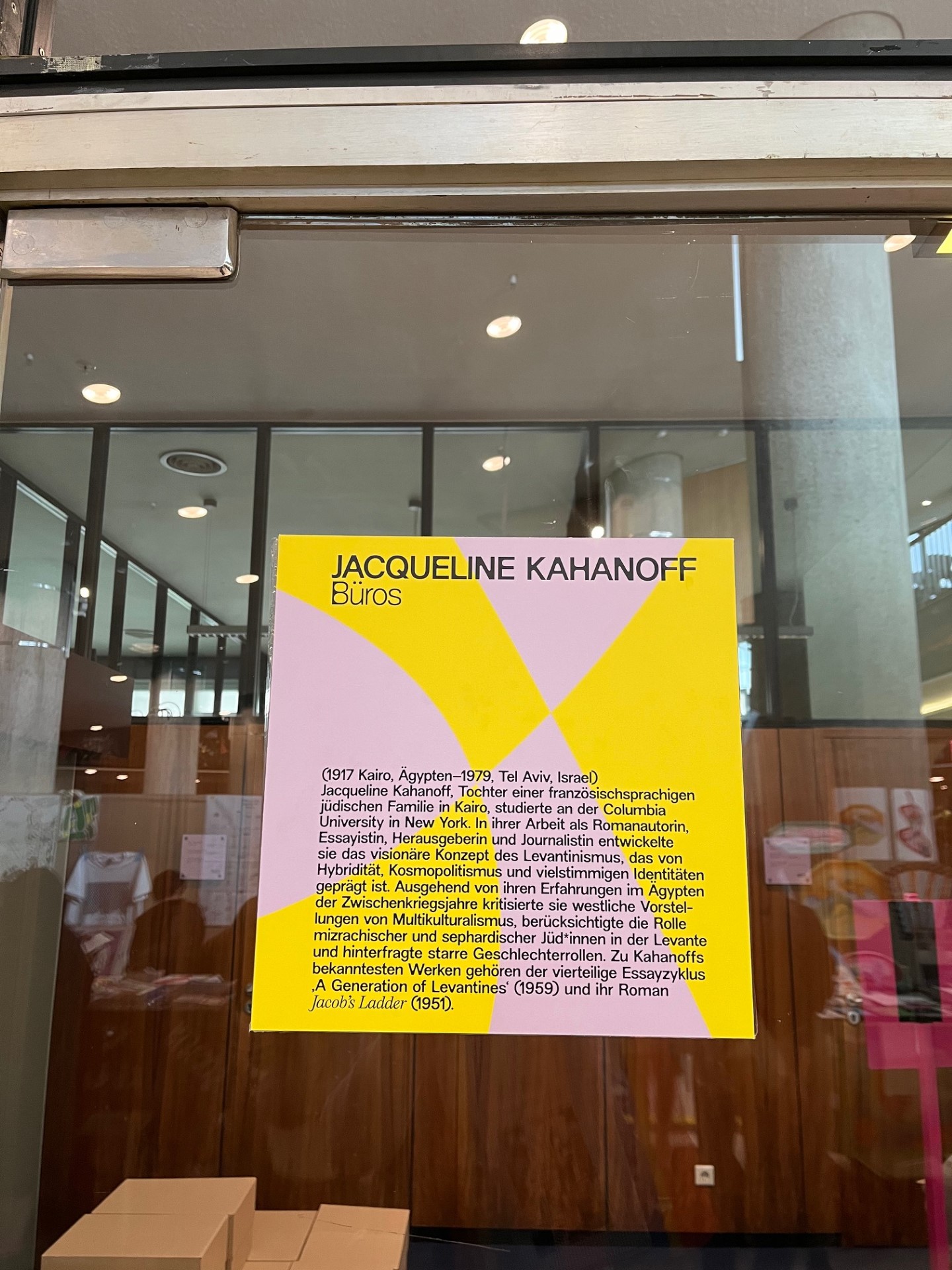
At the Miss Read book fair at the Haus der Kulturen der Welt in Berlin, from September 22-24, BAK distributed a printed brochure with Eva Meyer and Eran Schaerf’s essay on Jacqueline Kahanoff’s notion of Levantinism, which I commissioned for my “ExitStateCraft” series on BAK’s prospections platform. The text is here.

It’s funny that the text was thus circulated in the HKW; in 2020, Eran, Eva and I proposed a project on Levantinism to the then-curator of the HKW, but we never heard back. Now it turns out there’s an office space dedicated to Kahanoff at the institution—which is something, I suppose.

Under the dismal circumstances of the present, it is as crucial as ever to sound out the anachronistic potential of Kahanoff’s Levantinism. As Alexander Kluge once put it: “The potential and the historical roots and the detours of possibilities also belong to reality. The realistic result, the actual result, is only an abstraction that has murdered all other possibilities for the moment. But these possibilities will recur.”

Schismogenesis, Part Deux

The second part of my essay “Capitalism and Schismogenesis” is in the October issue of e-flux journal. In a way, the splitting of this article into two installments strengthens the pun in the title; after all, Capitalism and Schizophrenia consists of two volumes. Nonetheless, the article was not written as a two-parter, and should be considered one text. While I may be slightly ambivalent about breaking up, on the whole I couldn’t be happier with the care taken by the editors in making this long-gestating piece public.